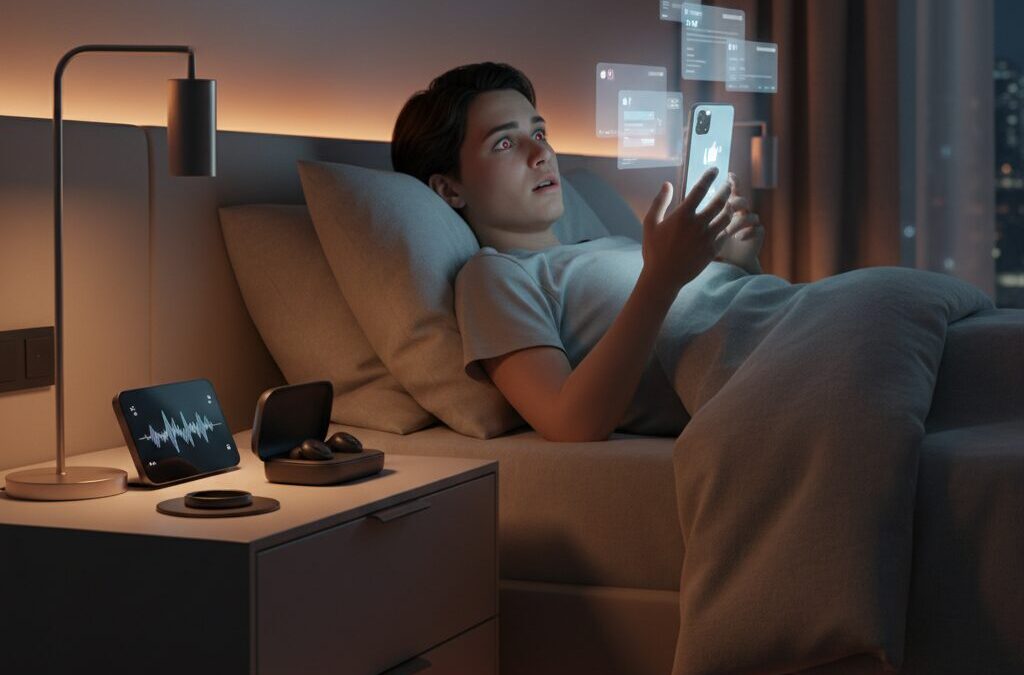
Have you ever gone to bed on time, put your smartphone down, and still found yourself wide awake for no clear reason? Many tech enthusiasts believe they already understand the problem, often blaming blue light alone. However, in 2026, the relationship between smartphones and sleep disruption has become far more complex, and simply turning on a night mode is no longer enough.
Today, smartphones are not just screens but deeply integrated cognitive tools that constantly stimulate the brain. Psychological factors such as fear of missing out, app-driven dopamine loops, and the pressure of always being connected now play a critical role in keeping the mind alert at night. Even when the screen is off, notifications, habits, and expectations continue to activate mental arousal, making it harder to transition into restful sleep.
At the same time, physical and physiological factors are gaining attention. Late-night phone posture affects breathing efficiency, device heat and placement influence comfort, and emerging research suggests subtle changes in biological indicators when phones are kept nearby during sleep. These elements quietly accumulate, lowering sleep quality without users fully realizing why they feel exhausted the next morning.
On the technology side, the industry is also shifting. New operating systems, AI-driven notification controls, and advanced sleep-tech gadgets are designed not to capture attention, but to release it. From smart rings and sleep earbuds to automated lighting and curtains, technology is beginning to offer tools that support healthier digital habits instead of undermining them.
In this article, you will explore the latest evidence-based insights into how smartphones affect sleep in 2026, what has changed from previous years, and how modern gadgets and software can be used more intelligently. By understanding these hidden mechanisms, you will be better equipped to enjoy cutting-edge technology without sacrificing one of the most essential foundations of performance and well-being: quality sleep.
- The Global Shift in Sleep Habits in a Hyper-Connected World
- Why Blue Light Is No Longer the Main Culprit
- Psychological Arousal: How FOMO Keeps the Brain Awake
- Dopamine Loops and Bedtime Procrastination in Modern Apps
- What Large-Scale Usage Data Reveals About Sleep Quality
- Unlock Frequency vs Screen Time: The Inverted U-Shaped Effect
- Physical Factors: Posture, Neck Strain, and Breathing Efficiency
- RF-EMF Exposure and Subtle Changes in Sleep Physiology
- How Android 16 Uses AI to Reduce Cognitive Overload at Night
- The Rise of Sleep Tech Gadgets and Smart Home Integration
- Why Smart Glasses May Create the Next Sleep Challenge
- 参考文献
The Global Shift in Sleep Habits in a Hyper-Connected World
The way people sleep around the world has been quietly but profoundly reshaped by hyper-connectivity, and by 2026 this shift has become impossible to ignore. With global smartphone users surpassing 7.7 billion, meaning more than 85% of humanity lives in an always-connected state, sleep is no longer just a biological process but a behavior deeply intertwined with digital culture. According to large-scale observational studies published by JMIR, bedtime is increasingly influenced by social expectations, notifications, and the psychological pressure to remain reachable at all hours.
For many gadget-savvy users, the issue is not simply screen brightness. **Sleep disruption now reflects a structural change in daily rhythms**, where work, social life, and entertainment flow seamlessly across time zones. Messaging apps and global platforms erase traditional night-time boundaries, making it socially acceptable, and often expected, to respond late at night. Researchers note that this normalization of nocturnal connectivity is one of the defining sleep trends of the hyper-connected era.
Recent cross-cultural data highlights how sleep habits diverge depending on connectivity intensity rather than geography alone. University-based studies using objectively logged smartphone data, rather than self-reports, show that frequent nighttime phone engagement correlates with shorter sleep duration and poorer sleep quality across Asia, Europe, and North America. Importantly, these patterns appear even in populations that already practice relatively healthy sleep hygiene, suggesting a global behavioral shift rather than a localized problem.
| Connectivity Pattern | Typical Night Behavior | Observed Sleep Impact |
|---|---|---|
| Moderate, socially bounded use | Limited checks before bed | Slightly longer, stable sleep |
| High-frequency global interaction | Late-night messaging and scrolling | Reduced duration, fragmented sleep |
| Always-on notification exposure | Interrupted sleep awareness | Lower perceived sleep quality |
What stands out in 2025–2026 research is the role of psychological arousal driven by constant information flow. Studies in Frontiers in Psychology emphasize that the fear of missing out keeps the brain in a semi-alert state well into the night. **Even when users put their phones down, cognitive engagement often continues**, delaying the transition into deep sleep. This phenomenon is now observed globally, regardless of cultural attitudes toward rest.
Experts from sleep medicine and digital health fields increasingly describe this as a paradigm shift rather than a temporary trend. Sleep is becoming more fragmented, more flexible, and more vulnerable to digital intrusion. At the same time, moderate and intentional connectivity can support emotional well-being by maintaining social bonds, which explains why some studies report a non-linear relationship between screen time and sleep outcomes.
In a hyper-connected world, global sleep habits are no longer defined solely by sunrise and sunset but by servers, algorithms, and social networks that never sleep. **Understanding this shift is essential for anyone interested in gadgets, digital lifestyles, and long-term health**, because it reframes sleep not as an individual failure of self-control, but as a collective challenge shaped by the technologies that connect us.
Why Blue Light Is No Longer the Main Culprit
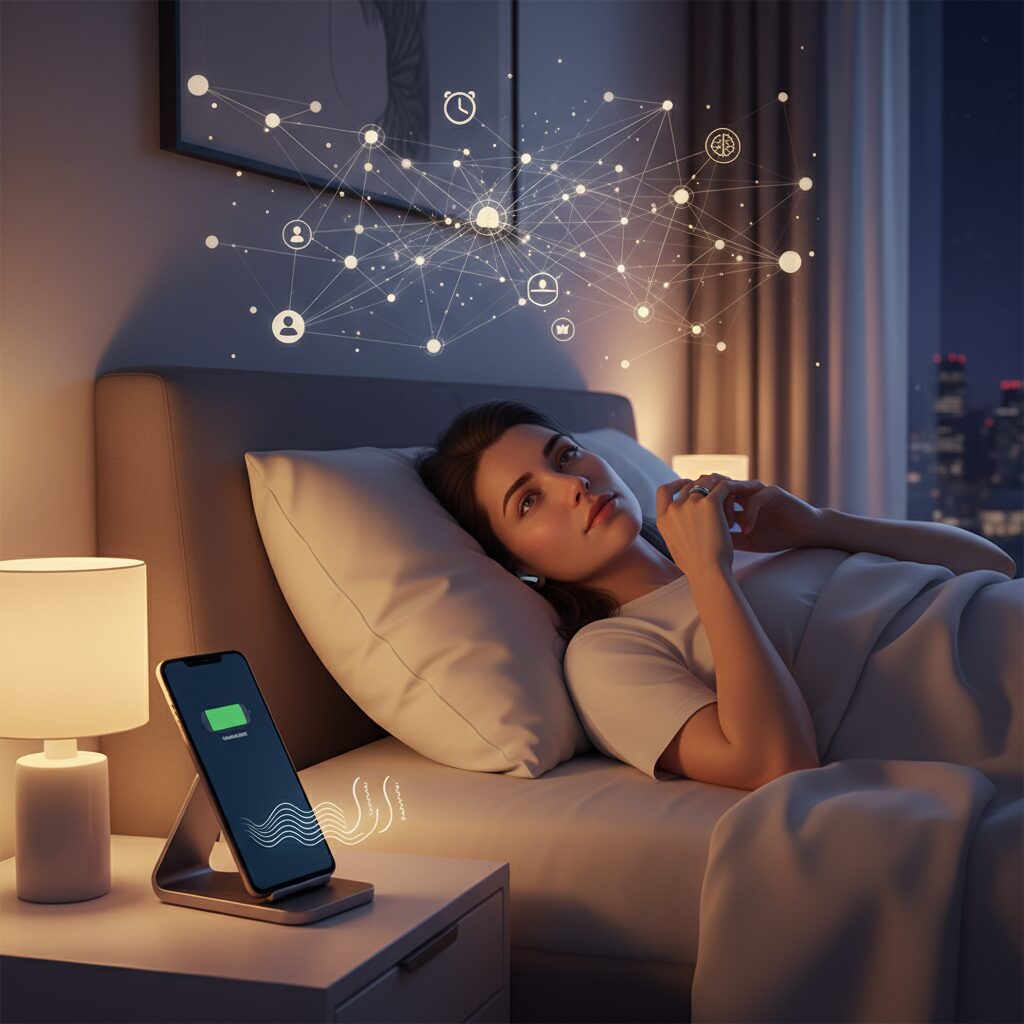
For many years, blue light was treated as the primary villain behind smartphone-related sleep problems, and this idea was strongly supported by early chronobiology research. Studies from Harvard Medical School showed that short-wavelength light suppresses melatonin more powerfully than other colors, which made night-mode filters and blue light glasses popular countermeasures. However, research published between 2025 and 2026 makes it increasingly clear that blue light alone cannot explain the scale and persistence of modern sleep disruption.
Large-scale behavioral and psychological studies now suggest that the brain often stays awake not because of light exposure, but because of sustained mental activation. According to research in Frontiers in Psychology, the key factor is psychological arousal triggered by constant connectivity, especially fear of missing out. Even when displays are dimmed or shifted to warm tones, users who continue scrolling social feeds or messaging late at night show delayed sleep onset and fragmented sleep architecture.
Objective data further weakens the blue-light-only hypothesis. A 2025 cross-sectional study in JMIR Mental Health analyzed smartphone usage logs from over 17,000 university students and found that unlock frequency and dependency patterns predicted poor sleep far better than total screen time or display settings. Users who unlocked their phones more than 400 times per week had a dramatically higher risk of poor sleep quality, regardless of whether night mode was enabled.
| Factor | Primary Effect on Sleep | Strength of Evidence |
|---|---|---|
| Blue light exposure | Melatonin suppression | Moderate |
| Psychological arousal (FOMO) | Delayed sleep onset | High |
| Dopamine-driven content loops | Bedtime procrastination | High |
Another reason blue light is no longer the main culprit lies in how modern apps are designed. Short-video platforms and social media feeds rely on variable rewards that stimulate dopamine release. Neuroscientists point out that this reward uncertainty keeps the brain in a heightened state of anticipation, which does not shut down immediately when the screen turns off. The result is a lingering cognitive buzz that interferes with the transition into deep sleep.
Interestingly, several controlled experiments have shown that users reading emotionally neutral content on e-ink devices or dark-mode screens still experienced poor sleep when the content itself was socially or emotionally engaging. This aligns with findings from sleep medicine specialists who argue that what you consume matters more than the color temperature of the screen. Blue light may act as an amplifier, but it is rarely the root cause.
In short, the scientific consensus is shifting. Blue light contributes to sleep disruption, but it plays a secondary role compared with psychological dependency, cognitive overload, and reward-driven engagement. Focusing exclusively on display settings risks overlooking the deeper mechanisms that actually keep the modern brain awake at night.
Psychological Arousal: How FOMO Keeps the Brain Awake
One of the most underestimated reasons smartphones disrupt sleep is not light exposure, but sustained psychological arousal driven by FOMO, the fear of missing out. This state keeps the brain alert long after the screen is turned off, making it difficult to transition into the calm neural patterns required for sleep.
Recent findings in psychology and neuroscience consistently show that bedtime smartphone use activates threat-monitoring systems in the brain. According to research published in Frontiers in Psychology, FOMO functions as a cognitive stressor, constantly signaling that something socially or informationally important might be happening elsewhere. This perceived risk prevents the nervous system from downshifting into a parasympathetic, sleep-ready mode.
In practical terms, the brain interprets unread messages and unchecked feeds as unresolved tasks. This keeps the prefrontal cortex engaged and sustains sympathetic nervous system activity, even when the body is physically exhausted.
| Psychological Factor | Neural Response | Impact on Sleep |
|---|---|---|
| FOMO-driven checking | Heightened alertness and vigilance | Delayed sleep onset |
| Social comparison | Emotional reactivity | Fragmented sleep |
| Unpredictable notifications | Dopamine anticipation loop | Reduced sleep depth |
Large-scale surveys conducted between 2025 and 2026 indicate that approximately two-thirds of smartphone users experience measurable levels of FOMO, with intensity peaking late at night and during weekends. These are precisely the time windows when sleep quality is most sensitive to cognitive stimulation.
What makes FOMO particularly disruptive is its interaction with dopamine-based reward systems. Social platforms and short-form video apps rely on variable rewards, a mechanism well documented in behavioral neuroscience. Each refresh carries the possibility of social validation, novel information, or emotional stimulation, encouraging repeated checking behavior right before bed.
This pattern leads directly to bedtime procrastination. Even users who intend to sleep at a fixed time often delay it by 30 to 90 minutes, not due to entertainment alone, but because their brain remains in a state of anticipatory arousal.
Objective data reinforces this psychological explanation. A cross-sectional study involving over 17,000 university students, published in JMIR Mental Health, used actual smartphone usage logs rather than self-reports. The results showed that dependency-level use, not just total screen time, was strongly associated with poor sleep quality and shorter sleep duration.
Interestingly, the same study revealed a non-linear relationship between usage and sleep. Moderate smartphone engagement appeared to support social connectedness, but excessive checking behavior, especially frequent unlocking, dramatically increased sleep risk. Unlocking a phone more than 400 times per week was associated with a 61% higher likelihood of poor sleep.
This suggests that FOMO is less about how long a phone is used and more about how compulsively it is checked. Each unlock acts as a micro-arousal, reinforcing a loop of vigilance that persists even after the device is put away.
Not all users are affected equally. Researchers have identified mindfulness as a key moderating factor. Individuals with higher trait mindfulness show a weaker link between smartphone dependence and FOMO. Their ability to observe urges without immediately acting on them appears to protect sleep quality.
According to the same Frontiers research group, mindfulness does not eliminate smartphone use, but it reduces the emotional urgency attached to notifications. As a result, the brain is less likely to remain in a hyper-aroused state at bedtime.
For gadget enthusiasts, this insight reframes the sleep problem. The issue is not simply exposure to technology, but how design choices exploit social uncertainty and anticipation. Understanding this mechanism is essential for making informed decisions about digital habits, notification settings, and emerging tools that aim to reduce cognitive overload at night.
Dopamine Loops and Bedtime Procrastination in Modern Apps
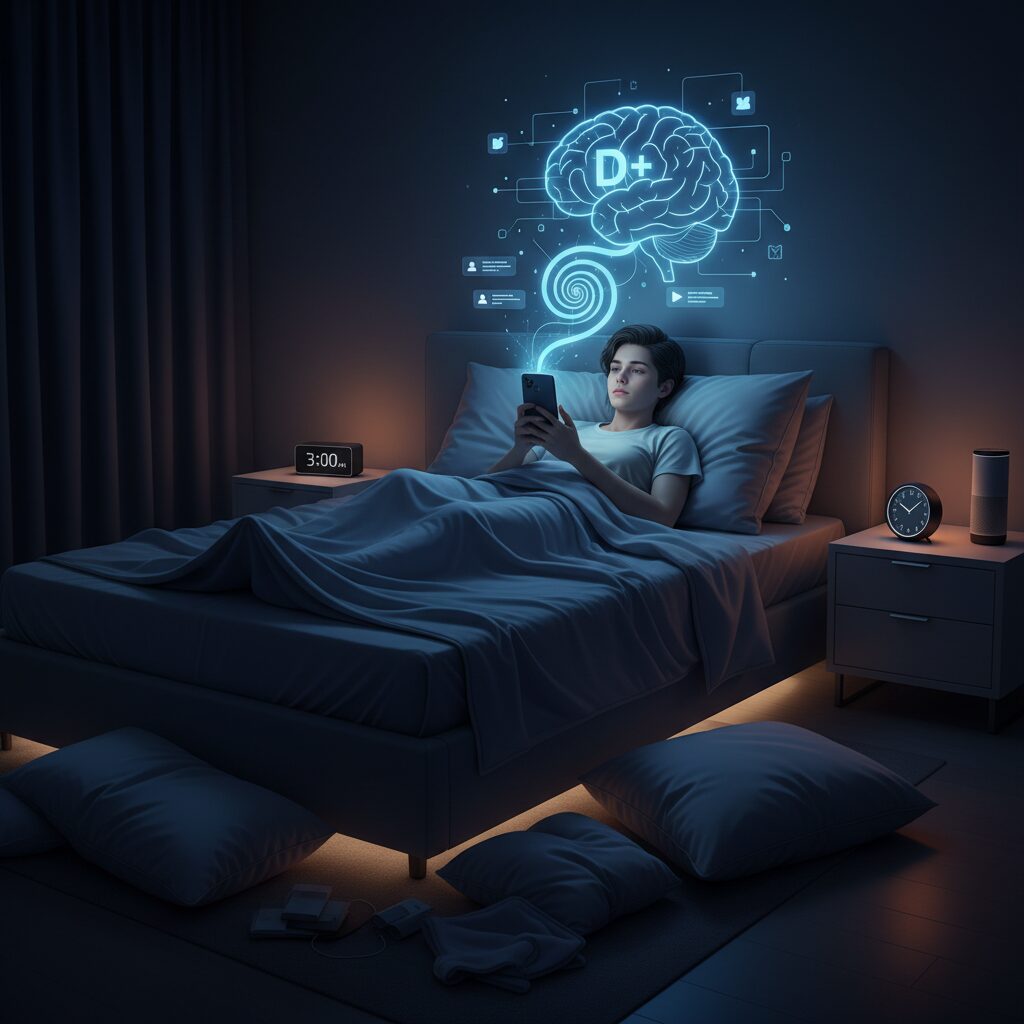
Modern apps are carefully engineered to keep users engaged, and at night this design philosophy often turns into a direct cause of bedtime procrastination. The core mechanism behind this behavior is the dopamine loop, a cycle in which anticipation, reward, and renewed anticipation reinforce repeated checking and scrolling. **What makes this especially problematic before sleep is that dopamine-driven engagement sustains psychological arousal long after the screen is turned off**, delaying the natural transition into a relaxed state.
Neuroscience research summarized by institutions such as the National Institute of Mental Health explains that dopamine is not simply a “pleasure chemical,” but a learning signal that reinforces behaviors associated with uncertain rewards. Short-form video apps, social feeds, and mobile games rely heavily on variable reward schedules, where the next swipe or tap might deliver something novel, funny, or socially validating. This uncertainty keeps the brain predicting rewards, making it cognitively difficult to stop, even when the user is physically tired.
| App Mechanism | Dopamine Trigger | Sleep Impact |
|---|---|---|
| Infinite scroll | Unpredictable content discovery | Loss of time awareness before bed |
| Push notifications | Social validation expectancy | Delayed disengagement at night |
| Short-form video | Rapid reward cycles | Sustained mental arousal |
A large-scale cross-sectional study published in JMIR Mental Health in 2025 provides concrete evidence that these dopamine loops translate into measurable sleep disruption. Using objective smartphone usage data from more than 17,000 university students, the researchers found that individuals classified as having smartphone addiction showed a markedly higher risk of poor sleep quality. **The strongest predictor was not total daily screen time, but continued, compulsive use in the final hour before bedtime**, a pattern closely aligned with dopamine-driven app interaction.
Bedtime procrastination emerges here as a behavioral outcome rather than a simple lack of self-control. According to behavioral psychologists cited in Frontiers in Psychology, users often intend to go to sleep on time, yet postpone it because the brain prioritizes immediate, uncertain rewards over long-term health benefits. This mismatch between intention and action is intensified late at night, when cognitive control is already weakened by fatigue.
Importantly, recent findings suggest that the frequency of interaction matters as much as duration. The same JMIR study identified an inverted U-shaped relationship between smartphone use and sleep, showing that extremely high unlock frequencies, such as more than 400 times per week, increased the risk of poor sleep quality by over 60 percent. This pattern reflects repeated micro-dopamine hits that fragment attention and prevent mental closure at night.
Experts in sleep medicine, including researchers referenced by the American Academy of Sleep Medicine, emphasize that this form of mental stimulation differs from passive media consumption. Interactive apps require decision-making, social comparison, and rapid emotional responses, all of which activate the sympathetic nervous system. **As a result, the body remains in a semi-alert state, incompatible with efficient sleep initiation**, even if blue light exposure is reduced.
From a practical standpoint, understanding dopamine loops reframes nighttime smartphone use as a design problem interacting with human neurobiology. Bedtime procrastination is not merely about willpower, but about systems optimized for engagement colliding with the brain’s natural need for disengagement. Recognizing this mechanism is the first step toward redefining healthier nighttime digital habits in an app-driven world.
What Large-Scale Usage Data Reveals About Sleep Quality
Large-scale usage data collected in recent years has fundamentally changed how sleep quality is understood in the context of smartphone use. Instead of relying on self-reported habits, researchers now analyze objective logs such as screen time, app categories, and unlock frequency, revealing patterns that were previously invisible. **These datasets show that how a smartphone is used matters far more than how long it is used.**
A landmark cross-sectional study published in JMIR Mental Health analyzed objectively captured usage data from 17,713 university students across multiple regions. By using screenshots of system-level usage records rather than questionnaires, the researchers reduced recall bias and uncovered robust correlations between behavioral intensity and sleep disruption. According to the authors, smartphone addiction status was a stronger predictor of poor sleep than total daily screen time.
The most striking finding was the nonlinear relationship between usage volume and sleep outcomes. Moderate users did not experience the worst sleep. Instead, both very low and very high usage groups showed shorter sleep duration, forming an inverted U-shaped curve. **This suggests that smartphones can support psychological well-being up to a point, after which the same device becomes a sleep liability.**
| Usage Indicator | Moderate Range | High-Risk Threshold |
|---|---|---|
| Weekly screen time | 21–42 hours | 63+ hours |
| Unlock frequency | Below 400/week | 400+ per week |
| Poor sleep risk | Baseline | +61% increase |
Unlock frequency emerged as an especially sensitive metric. Unlike screen time, which can include passive or functional use, frequent unlocking reflects habitual checking behavior driven by anticipation and anxiety. The study found that individuals exceeding 400 unlocks per week were significantly more likely to report poor sleep quality, even when their total screen time was similar to others. **This supports the theory that fragmented attention, not continuous exposure, keeps the brain in a hyper-aroused state before sleep.**
Medical student cohorts provided an additional layer of insight. In this population, using a smartphone for more than 60 minutes before bedtime dramatically increased the odds of reduced sleep efficiency and delayed sleep onset. Given the high cognitive load already present in medical training, researchers noted that bedtime phone use compounded stress rather than relieving it, a point emphasized by sleep medicine specialists cited in the study.
Beyond individual studies, aggregated data from global digital well-being reports indicate that these patterns scale consistently across cultures. Institutions such as the National Sleep Foundation and academic partners analyzing multi-country datasets report similar associations between compulsive interaction patterns and diminished sleep quality. **The convergence of evidence across datasets strengthens confidence that these are not isolated or culturally specific effects.**
What large-scale data ultimately reveals is a shift in focus: sleep disruption is less about exposure to a glowing screen and more about behavioral intensity and psychological dependence encoded in usage logs. As datasets grow and measurement becomes more precise, sleep quality is increasingly understood as a behavioral signal embedded within everyday digital interactions, offering both a warning and an opportunity for intervention.
Unlock Frequency vs Screen Time: The Inverted U-Shaped Effect
One of the most counterintuitive findings in recent sleep research is that smartphone use does not affect sleep in a simple linear way. Instead, large-scale data published by JMIR Mental Health in 2025 shows an inverted U-shaped relationship between unlock frequency, total screen time, and sleep duration. This means that both too little and too much interaction can be associated with shorter sleep, while moderate use may coincide with slightly better outcomes.
The study analyzed objectively recorded usage logs from over 17,000 university students, avoiding self-report bias. When screen time was plotted against sleep duration, users with moderate weekly usage, roughly 21 to 42 hours, slept on average 5.47 minutes longer than very low-use participants. Researchers interpret this as evidence that a certain level of digital engagement supports social connection and stress regulation, which can indirectly facilitate sleep.
| Usage Pattern | Weekly Screen Time / Unlocks | Observed Sleep Impact |
|---|---|---|
| Low engagement | Under 21 hours | Slightly shorter sleep duration |
| Moderate engagement | 21–42 hours | Longest average sleep time |
| High engagement | 63+ hours or 400+ unlocks | Significantly reduced sleep quality |
However, the curve drops sharply once usage crosses a critical threshold. Unlocking a phone more than 400 times per week increased the risk of poor sleep quality by 61%, even after adjusting for total screen time. This suggests that frequent checking behavior, rather than long continuous sessions, fragments attention and sustains cognitive arousal late into the night.
Sleep specialists note that each unlock acts as a micro-stimulus, reactivating reward and vigilance networks in the brain. According to behavioral neuroscientists cited by JMIR, this repeated anticipation-response cycle delays parasympathetic dominance, which is essential for sleep onset. In practical terms, a phone checked briefly but compulsively can be more disruptive than one used intentionally and then put away.
The inverted U-shaped effect reframes the discussion from total abstinence to intelligent regulation. The data does not support the idea that eliminating smartphone use entirely leads to the best sleep. Instead, it highlights the importance of minimizing impulsive unlocks, especially in the hour before bedtime, while maintaining purposeful daytime use that supports social and psychological well-being.
Physical Factors: Posture, Neck Strain, and Breathing Efficiency
When discussing smartphone-related sleep disruption, posture is often treated as a minor comfort issue, but current evidence suggests it plays a far more critical physiological role. **Using a smartphone in bed fundamentally alters spinal alignment**, especially in the cervical region, and this mechanical stress does not end when the screen is turned off. The body carries these distortions into sleep, where they quietly affect breathing efficiency and recovery.
Orthopedic and rehabilitation specialists have increasingly focused on so-called “bedtime smartphone posture,” particularly prolonged use while lying supine or on one side. According to Japanese musculoskeletal research summarized in clinical practice reports, sustained neck flexion promotes a loss of the natural cervical curve, a condition commonly described as straight neck. This is not limited to neck stiffness. **Altered cervical alignment can narrow the upper airway**, subtly increasing resistance during nighttime breathing.
| Physical Factor | Observed Change | Sleep-Related Impact |
|---|---|---|
| Cervical flexion | Forward head posture, muscle imbalance | Delayed relaxation before sleep |
| Straight neck | Reduced airway stability | Lower breathing efficiency during sleep |
| Muscular tension | Persistent neck and shoulder tightness | Increased nocturnal micro-awakenings |
Respiratory mechanics are especially sensitive to posture. Sleep medicine literature has long shown that even small changes in head and neck position influence airflow and oxygen exchange. Recent experimental findings published in PubMed-indexed journals indicate that while smartphone-emitted RF-EMF does not significantly alter subjective sleep quality, **measurable changes in blood oxygen saturation were detected** when devices were kept close to the head during sleep. This reinforces the idea that physical proximity and posture-related factors may matter more than users perceive.
From a biomechanical perspective, prolonged smartphone use tightens the sternocleidomastoid and scalene muscles, which assist both neck movement and respiration. When these muscles remain activated late into the night, the body struggles to shift into a parasympathetic-dominant state. **This muscular overactivity keeps the nervous system subtly alert**, making smooth sleep onset more difficult even without conscious stress.
Eye strain compounds the problem. Clinical observations noted by rehabilitation professionals show that dry eyes and ocular fatigue feed back into facial and neck tension. This interconnected strain pattern explains why many users report “tired but wired” sensations after scrolling in bed. The discomfort itself becomes a low-level stimulus that prevents full relaxation, rather than a single point of pain.
Breathing efficiency is not only about airflow but rhythm. Wearable-derived sleep data referenced by health technology analysts show that nights following extended bedtime smartphone use often feature irregular respiration patterns. While not equivalent to clinical sleep apnea, these fluctuations correlate with poorer recovery scores and reduced heart rate variability, both widely accepted markers of insufficient physiological rest.
What makes this factor particularly insidious is its delayed feedback loop. Unlike bright light or notifications, poor posture does not announce itself immediately. The consequences emerge hours later as shallow sleep, morning neck stiffness, or unexplained fatigue. Sleep researchers increasingly emphasize that addressing smartphone-related sleep issues requires attention not only to what is viewed, but **how the body is positioned while viewing it**.
In this sense, posture becomes a bridge between physical ergonomics and sleep physiology. The evidence accumulated by orthopedic clinicians and sleep researchers converges on a single point: bedtime smartphone use reshapes the body in ways that persist into sleep. Ignoring this dimension risks overlooking one of the most tangible, and correctable, contributors to modern sleep disturbance.
RF-EMF Exposure and Subtle Changes in Sleep Physiology
Beyond blue light and psychological stimulation, radiofrequency electromagnetic fields, commonly referred to as RF-EMF, have attracted renewed scientific attention for their potential to subtly influence sleep physiology. RF-EMF is emitted continuously by smartphones during standby, data transmission, and background connectivity, meaning exposure often persists even after the screen is turned off. In 2025 and 2026, researchers began shifting the discussion away from subjective sleep complaints and toward objective physiological markers that can be measured during the night.
According to a controlled crossover study published on PubMed in late 2025, RF-EMF exposure from a smartphone placed near the pillow did not produce statistically significant differences in self-reported sleep quality over a two-week period. However, the same study identified measurable changes in physiological parameters, suggesting that the absence of perceived disturbance does not necessarily equate to a lack of biological impact. This distinction is critical for gadget-savvy users who rely on personal impressions rather than biometric data.
| Physiological Indicator | Observed Change | Interpretation |
|---|---|---|
| Subjective sleep quality | No significant difference | Perceived restfulness remained stable |
| Blood oxygen saturation (SpO2) | Lower minimum and average values | Possible interference with nocturnal respiration |
| Heart rate variability (HRV) | Detectable fluctuations | Subtle changes in autonomic recovery |
Of particular interest is the reduction in minimum SpO2 levels during sleep. SpO2 is widely used in sleep medicine as an indicator of breathing stability and oxygen delivery to tissues. Even small, repeated drops can signal micro-disturbances in respiratory rhythm. The researchers emphasized that these changes were not severe enough to be noticed subjectively, yet they were consistent enough to warrant further investigation into long-term exposure effects.
Advances in wearable sleep technology have made these findings more visible to consumers. Modern smart rings and armbands routinely track HRV and SpO2 throughout the night, metrics once limited to clinical sleep labs. Sleep researchers note that HRV, in particular, reflects the balance between sympathetic and parasympathetic nervous activity. Minor RF-EMF-related shifts in HRV could indicate that the body remains in a slightly less relaxed state, even when total sleep time appears normal.
Importantly, authoritative bodies such as the World Health Organization have not concluded that everyday smartphone RF-EMF exposure poses a clear health risk. Current evidence supports a cautious but measured interpretation: **the effects observed are subtle, physiological, and not yet linked to overt sleep disorders**. For users who place high value on optimizing recovery, however, these findings suggest a simple risk-management strategy. Increasing the distance between the smartphone and the head during sleep may reduce unnecessary exposure without sacrificing convenience, aligning practical gadget use with emerging sleep science.
How Android 16 Uses AI to Reduce Cognitive Overload at Night
At night, the biggest enemy of good sleep is no longer just blue light, but the constant mental effort required to process information. Android 16 addresses this problem directly by using AI to reduce cognitive overload before and during bedtime, shifting the role of the OS from attention maximizer to mental buffer.
The core idea is simple: reduce what the brain has to decide. Research in cognitive psychology has long shown that decision fatigue and information overload increase psychological arousal, making it harder to fall asleep. According to studies published in Frontiers in Psychology, unresolved notifications and the fear of missing important messages amplify FOMO, keeping the brain in a hyper-alert state at night.
Android 16’s AI-powered notification summaries tackle this issue at the OS level. Instead of presenting dozens of raw alerts from group chats or social apps, on-device AI condenses them into short, contextual summaries. This allows users to grasp what matters in seconds, without scrolling through emotionally stimulating content.
| Function | AI Processing | Impact on Nighttime Cognition |
|---|---|---|
| Notification summaries | Context-aware text compression | Reduces reading load and decision stress |
| Notification organizer | Automatic priority classification | Silences low-urgency alerts before sleep |
| Expanded dark theme | Contrast-aware UI adjustment | Suppresses visual and emotional stimulation |
Importantly, this is not just about convenience. Large-scale observational data reported by JMIR Mental Health show that frequent nighttime phone interactions and excessive unlock counts correlate strongly with poorer sleep quality. By lowering the need to constantly check and respond, Android 16 indirectly reduces unlock frequency, which research associates with a significantly lower risk of poor sleep.
Another key innovation is intelligent silence. The notification organizer groups similar alerts and automatically deprioritizes promotions, news, and social updates during designated hours. This aligns with recommendations from sleep medicine experts, including those cited in PubMed-indexed studies, which emphasize minimizing pre-sleep cognitive engagement rather than merely dimming screens.
Visual stimulation is also addressed through the enhanced dark theme. Unlike earlier system-wide dark modes, Android 16 adjusts contrast and luminance even for apps that do not natively support dark mode. This reduces eye strain and visual excitement, helping the brain transition into a calmer state suitable for sleep.
In practical terms, Android 16 acts as a cognitive gatekeeper at night. By summarizing, filtering, and visually softening information, it externalizes mental workload that users previously had to manage themselves. This AI-driven reduction of cognitive effort directly supports smoother sleep onset, not by forcing digital abstinence, but by making nighttime smartphone use psychologically lighter.
The Rise of Sleep Tech Gadgets and Smart Home Integration
The rise of sleep tech gadgets in 2026 clearly shows that sleep improvement is no longer treated as a personal willpower issue but as a system-level problem solved by technology,ですます調で言えば、環境そのものを整える発想へと進化しています。**Wearable devices and smart home systems are now deeply interconnected**, creating an ecosystem that actively supports falling asleep and recovering overnight.
According to market analyses cited by Japanese smart home research bodies, the domestic smart home market reached approximately 9 billion USD in 2025 and continues to expand, with sleep-related devices acting as a major growth driver. This trend reflects a shift from simple sleep tracking toward data-driven intervention, where collected biometric signals automatically trigger environmental adjustments.
Modern sleep wearables illustrate this transformation well. Devices such as smart rings, armbands, and sleep-focused earbuds emphasize low physical burden while continuously capturing heart rate variability, respiratory patterns, and stress indicators. **The key innovation lies not in sensing alone, but in interpretation**, as AI-based sleep coaching translates raw data into concrete behavioral and environmental recommendations.
| Category | Representative Function | Smart Home Linkage |
|---|---|---|
| Smart Ring | Recovery and sleep score analysis | Adjusts lighting and room temperature |
| Sleep Earbuds | Noise masking and snore detection | Controls white noise and ventilation |
| Health Watch | HRV and blood pressure monitoring | Optimizes wake-up timing and alarms |
Smart home integration further amplifies the value of these gadgets. Circadian lighting systems gradually shift to warmer wavelengths in the evening, while automated curtains open in sync with sunrise to recalibrate the body clock. Research referenced by sleep science organizations supports that **light-based environmental control significantly influences melatonin regulation and morning alertness**, especially when automation removes human inconsistency.
Another notable development is the move toward passive optimization. Instead of prompting users with notifications, systems increasingly operate silently in the background. For example, when sleep data indicates insufficient recovery, the home environment can subtly lower stimulation the following evening. This approach aligns with findings from digital wellbeing studies that reducing cognitive decision-making before bedtime improves sleep onset.
Overall, sleep tech gadgets in 2026 function as coordinators rather than isolated tools. By synchronizing wearable insights with smart home infrastructure, they transform bedrooms into adaptive recovery spaces. **The competitive edge of modern sleep tech lies in seamless integration**, enabling users to benefit without constant awareness or effort,ですます調で表現すれば、気づかないうちに眠りやすい環境が整っていく時代に入ったと言えます。
Why Smart Glasses May Create the Next Sleep Challenge
Smart glasses are often framed as a hands‑free evolution of the smartphone, but from a sleep perspective they may introduce an entirely new category of risk. The core issue is not simply light exposure, but the way smart glasses amplify psychological arousal and always‑on cognition. In 2026, major players such as Apple, Google, and Meta have released AR glasses capable of projecting a virtual display equivalent to hundreds of inches directly into the user’s visual field.
This matters because visual information presented at optical infinity places a different load on the brain than a phone held at arm’s length. Neuroscience research cited by sleep specialists has long shown that immersive visual environments delay the down‑regulation of cortical activity required for sleep onset. When contextual AI overlays messages, reminders, or real‑time suggestions onto the lens, the brain is kept in a state of continuous interpretation rather than passive consumption.
Unlike smartphones, smart glasses remove friction. There is no need to unlock a screen, raise an arm, or even shift posture. A subtle glance or voice command is enough to re‑enter the digital stream. Behavioral scientists note that lower interaction cost reliably increases usage frequency, a pattern already observed with smart rings and voice assistants.
| Aspect | Smartphone | Smart Glasses |
|---|---|---|
| Visual distance | 30–40 cm from eyes | Projected at optical infinity |
| Interaction friction | Hand‑based, screen unlock | Glance, voice, or gesture |
| Cognitive load | Session‑based | Persistent, contextual |
Sleep researchers already warn that persistent cognitive engagement before bed sustains sympathetic nervous system activity. With smart glasses, notifications are no longer something you check; they become something you inhabit. Experts referenced in Lifehacker Japan argue that this shift could intensify FOMO, because information now appears uninvited, layered onto reality itself.
Another concern is bedtime ambiguity. Many users mentally associate removing a phone with ending the day. Glasses, however, are worn continuously, blurring the boundary between daytime productivity and nighttime recovery. This erosion of behavioral cues may quietly extend wakefulness without the user noticing, a phenomenon sleep clinicians describe as unintentional bedtime procrastination.
Smart glasses are not inherently harmful, but their design philosophy prioritizes presence over pause. Without deliberate sleep‑aware constraints at the OS level, they risk becoming the next major disruptor of circadian stability in an already overstimulated digital society.
参考文献
- JMIR:Smartphone Usage Patterns and Sleep Behavior in Demographic Groups
- Frontiers in Psychology:The Role of FOMO and Mindfulness in the Relationship Between Mobile Phone Dependence and Sleep Quality
- JMIR Mental Health:Associations Between Smartphone Addiction, Objectively Measured Use, and Sleep Quality
- PubMed:The Influence of Mobile Technologies on the Quality of Sleep
- Engadget:Android 16 Updates Include AI-Powered Notification Summaries
- CNET:Google’s Latest Android Update Brings Smarter Notifications